


Categories
Subscribe to RSS Feed-
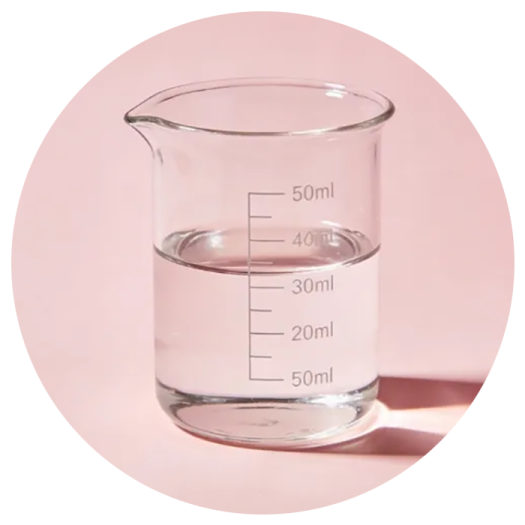
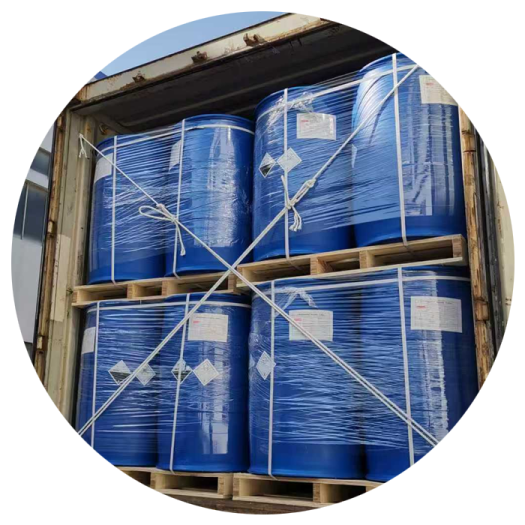
2-Hydroxyethyl methacrylate
CAS:868-77-9,2-Hydroxyethyl methacrylate (HEMA) is used in adhesives, coatings, inks, dental materials, contact lenses, hydrogels, and resins, providing adhesion, flexibility, chemical resistance, and reactive hydroxyl functionality for polymer crosslinking and surface modification.
Learn More -
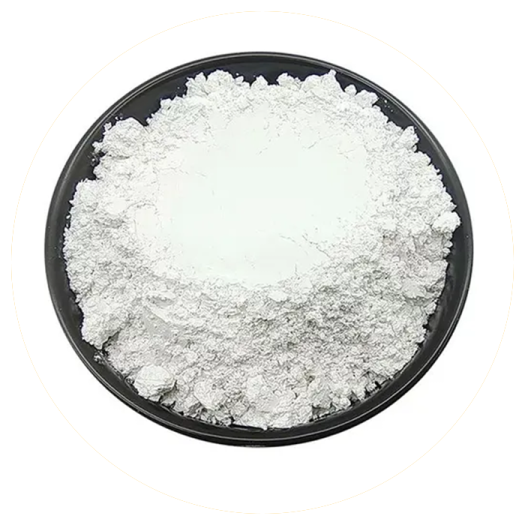
4A Zeolite
CAS:1318-02-1,4A zeolite is a versatile molecular sieve widely used in various applications due to its unique adsorption properties. In the petrochemical industry, it serves as a catalyst in fluid catalytic cracking, enhancing gasoline production. In water treatment, it effectively removes heavy metals and ammonium ions, improving water quality. Its ion-exchange capacity makes it valuable in detergents and softening water. Additionally, 4A zeolite finds use in the agricultural sector for soil conditioning and as a carrier for fertilizers, promoting nutrient retention and release. Its ability to selectively adsorb molecules makes it essential in gas separation and purification processes.
Learn More -
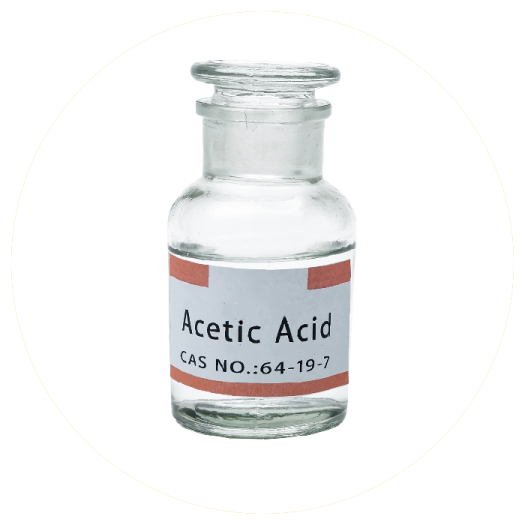
Acetic acid
CAS:64-19-7, Solvent: Acetic acid serves as a solvent in the production of various chemicals, including acetate esters and plasticizers. Intermediate in Chemical Synthesis: It is used as an intermediate in the synthesis of numerous chemicals and pharmaceuticals. Learn More -
Acyclovir
CAS:59277-89-3,Acyclovir is an antiviral medication primarily used to treat infections caused by certain types of viruses, especially herpes simplex and varicella-zoster virus. It is effective in managing conditions such as genital herpes, cold sores, shingles, and chickenpox. Acyclovir works by inhibiting viral replication, thereby reducing the severity and duration of outbreaks. It can be administered orally, topically, or intravenously, depending on the severity of the infection. Early treatment with acyclovir can help prevent complications and promote faster healing.
Learn More -
Allicin
CAS:539-86-6,Allicin is a bioactive compound derived from garlic (Allium sativum) known for its numerous health benefits. Primarily, it is used for its antimicrobial properties, effective against bacteria, viruses, and fungi. Allicin is also recognized for its cardiovascular benefits, helping to lower blood pressure and cholesterol levels. Additionally, it has antioxidant properties, which may protect cells from damage. Allicin can be consumed in various forms, including raw garlic, supplements, or as a part of culinary dishes. Its potential therapeutic effects make it popular in natural medicine for enhancing overall health.
Learn More -
Allopurinol
CAS:315-30-0,Allopurinol is a medication primarily used to treat gout and kidney stones by reducing uric acid levels in the blood. It works by inhibiting the enzyme xanthine oxidase, which is involved in uric acid production. Patients often use allopurinol to prevent gout attacks and manage chronic gout conditions. Additionally, it may be prescribed to patients undergoing chemotherapy to prevent uric acid buildup due to rapid cell breakdown. Regular monitoring of uric acid levels is essential during treatment to ensure effectiveness and prevent side effects.
Learn More -
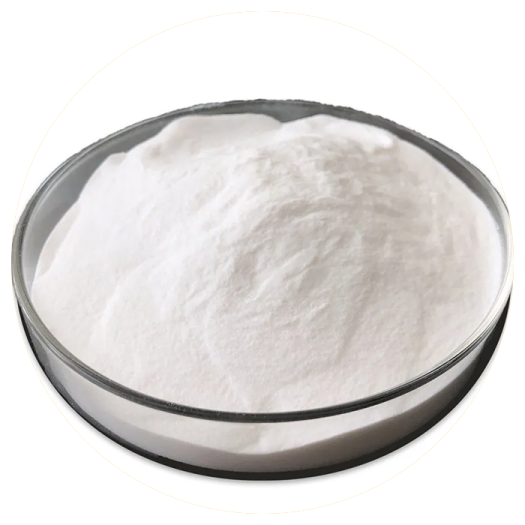
Aluminium Hydroxide
CAS:21645-51-2,Aluminium hydroxide is primarily used as an antacid to relieve heartburn, acid indigestion, and upset stomach. It acts by neutralizing stomach acid and providing a protective coating to the stomach lining. In addition to its medicinal applications, aluminium hydroxide is also utilized in the production of aluminum salts, water purification processes, and as a filler in various products like rubber and plastics. Moreover, it serves as a flame retardant in textiles and building materials, enhancing safety by reducing flammability. Its versatility makes it a valuable compound in multiple industries.
Learn More -
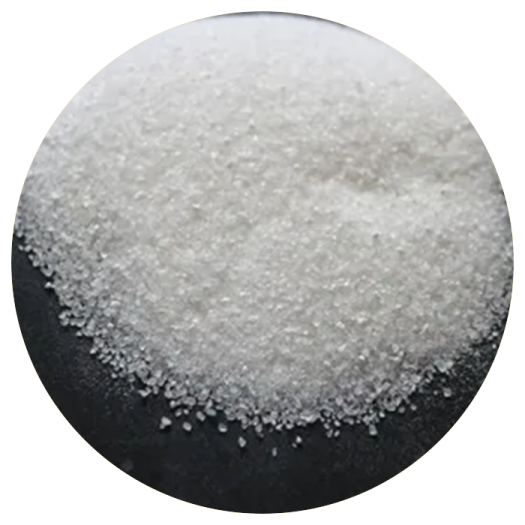
Aluminium Sulfate
CAS:10043-01-3,Aluminium sulfate, commonly known as alum, is widely used in various applications. In water treatment, it serves as a coagulant to remove impurities and clarify drinking water. In the paper industry, it acts as a sizing agent to enhance paper quality. Additionally, aluminium sulfate is utilized in the textile industry for dyeing processes and in the construction industry as a soil stabilizer. It also plays a role in agriculture as a soil amendment to lower pH levels. Its versatility makes it essential across multiple sectors, promoting efficiency and effectiveness in numerous processes.
Learn More -
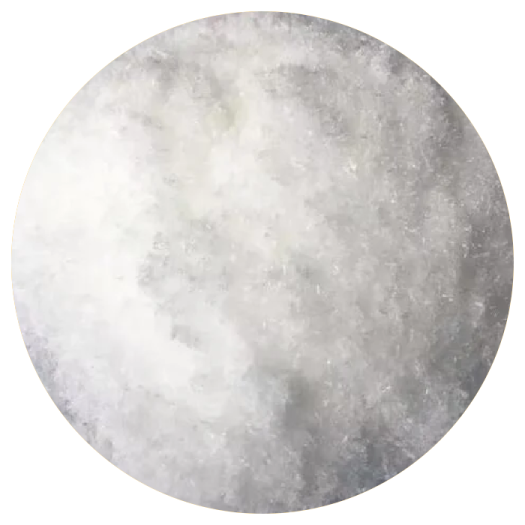
Ammonium Acetate
CAS:631-61-8,Ammonium acetate, a white crystalline salt, finds application in diverse industries. In the laboratory, it serves as a buffering agent, maintaining a stable pH environment for various chemical reactions. Additionally, it is utilized in chromatography, aiding in protein purification and separation processes. In the field of mass spectrometry, ammonium acetate is employed as a volatile buffer, facilitating the ionization of analytes. Furthermore, it plays a role in the manufacturing of certain pharmaceuticals and is used in some food and beverage processes. Its versatility stems from its ability to act as a source of acetate ions, influencing reactions in both organic and inorganic chemistry.
Learn More -
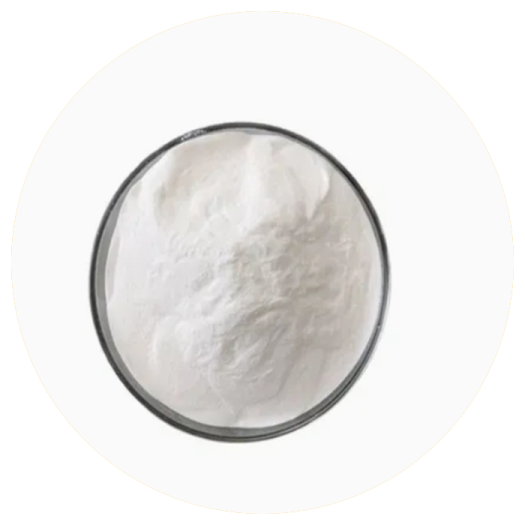
Ammonium Bicarbonate
CAS:1066-33-7,Ammonium bicarbonate (NH₄HCO₃) is commonly used in various industries. In the food industry, it serves as a leavening agent in baking products like cookies and crackers, providing a light, airy texture. It decomposes into ammonia, carbon dioxide, and water when heated, leaving no residue. In agriculture, it’s used as a nitrogen fertilizer, enhancing soil fertility and promoting plant growth. Ammonium bicarbonate also finds applications in pharmaceuticals, acting as a buffering agent, and in the chemical industry, it’s used in the production of dyes, pigments, and ceramics. Additionally, it serves in foam rubber manufacturing and as a gas source for fire extinguishers.
Learn More -
Ammonium chloride
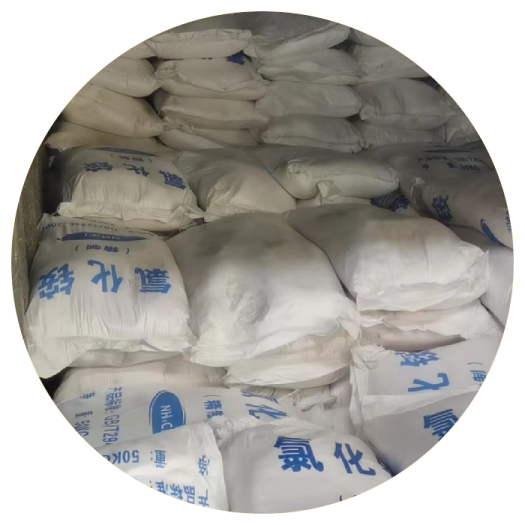
CAS:12125-02-9,Ammonium chloride, a chemical compound with the formula NH4Cl, finds diverse applications across several industries. In the food industry, it serves as a food additive, contributing to the crispiness of snacks and enhancing flavor. In the medical field, it is used in cough medicines as an expectorant. Ammonium chloride also plays a crucial role in the manufacturing of dry cell batteries, acting as an electrolyte. Additionally, it is employed in the textile industry for dyeing processes and acts as a flux in soldering. Its versatile properties make ammonium chloride a valuable ingredient with applications ranging from food and medicine to industrial processes.
Learn More -
Ammonium Citrate
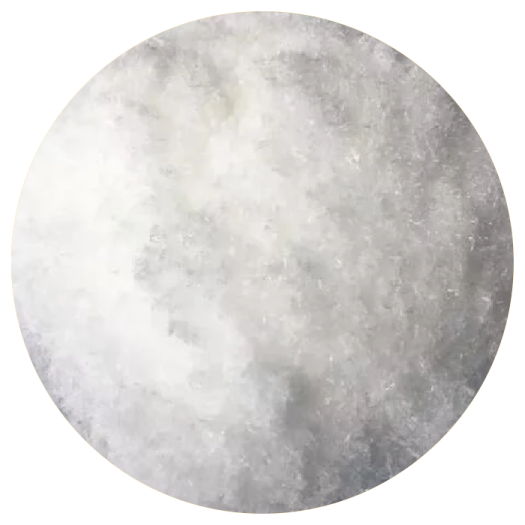
CAS:3458-72-8,Ammonium citrate is a chemical compound with a variety of applications. It is derived from citric acid and is commonly used in the food industry as an acidity regulator and emulsifier. In addition to its role in food, ammonium citrate finds use in the medical field as a diagnostic reagent for blood clotting tests. Its chelating properties make it valuable in various industrial processes, including water treatment and metal cleaning. As a versatile compound, ammonium citrate exhibits buffering properties, influencing pH levels in numerous applications. Its diverse uses highlight its significance in both the chemical and commercial sectors.
Learn More